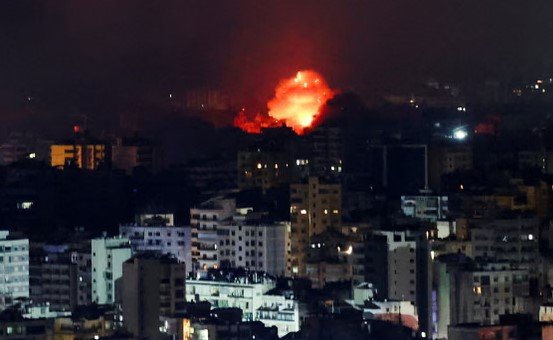

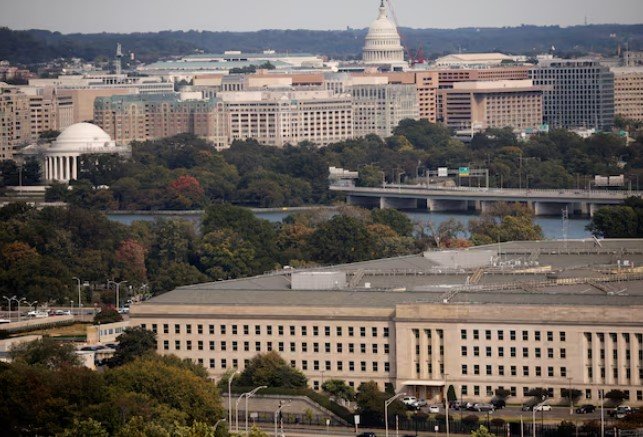
U.S. intelligence officials have detected signs that China is preparing to ship advanced air defense systems to Iran, a move that could significantly alter the regional balance of power as a fragile ceasefire holds. According to a CNN report citing three sources familiar with the assessments, Beijing is allegedly planning to deliver man-portable air-defense systems (MANPADS) within the coming weeks. Intelligence suggests that China is attempting to mask the origin of these shipments by routing them through third-party nations, providing Tehran with a means to rebuild its defensive umbrella following five weeks of intense conflict with the United States and Israel. These shoulder-fired missiles pose a particular threat to low-flying aircraft, and U.S. officials fear they could be used to restock Iranian inventories during the current diplomatic pause, potentially endangering American pilots should hostilities resume.
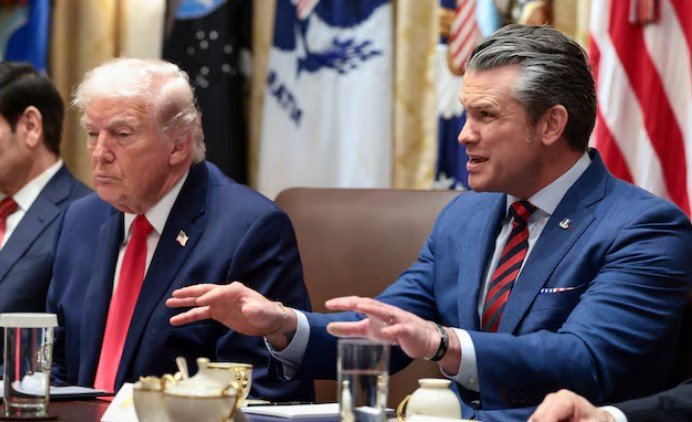
The timing of this alleged transfer is particularly sensitive, as it coincides with high-stakes peace negotiations currently underway in Islamabad. While Vice President JD Vance meets with Iranian and Pakistani leaders to finalize a permanent settlement, the reports of Chinese military aid have added a layer of geopolitical complexity to the talks. President Donald Trump has already issued a stern warning, threatening immediate 50 percent tariffs on any country found to be supplying weapons to Tehran. The White House view is that Iran may be using the “humanitarian” window of the ceasefire to replenish its military capabilities with the help of key international partners, a move that could undermine the “reset” Washington is seeking in the region.
In response to the allegations, the Chinese embassy in Washington issued a firm denial, describing the reports as “baseless” and “sensationalist.” A spokesperson for the embassy maintained that China has not provided weapons to any party in the conflict and remains committed to its international obligations as a “responsible major country.” Beijing has recently positioned itself as a diplomatic heavyweight, claiming a role in brokering the very ceasefire that ended the latest round of fighting on April 7. With President Trump scheduled to visit Beijing next month for talks with President Xi Jinping, the intelligence report highlights the deep-seated mistrust between the two superpowers regarding their respective influences in the Middle East and the future of Iranian sovereignty.