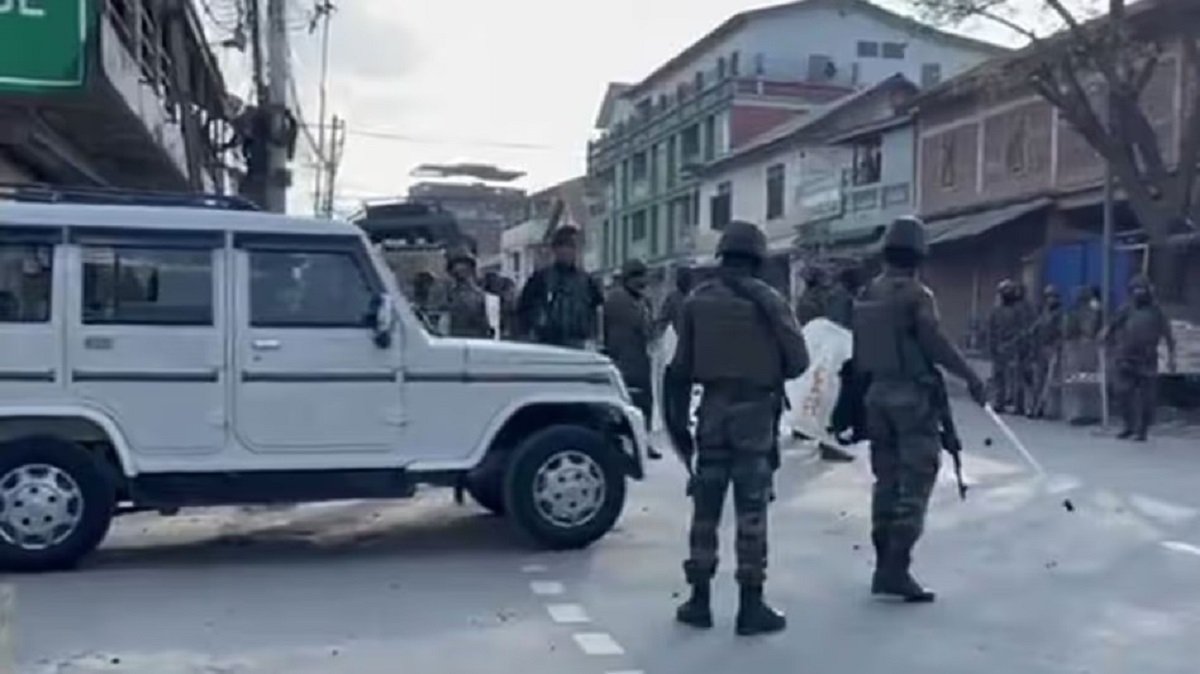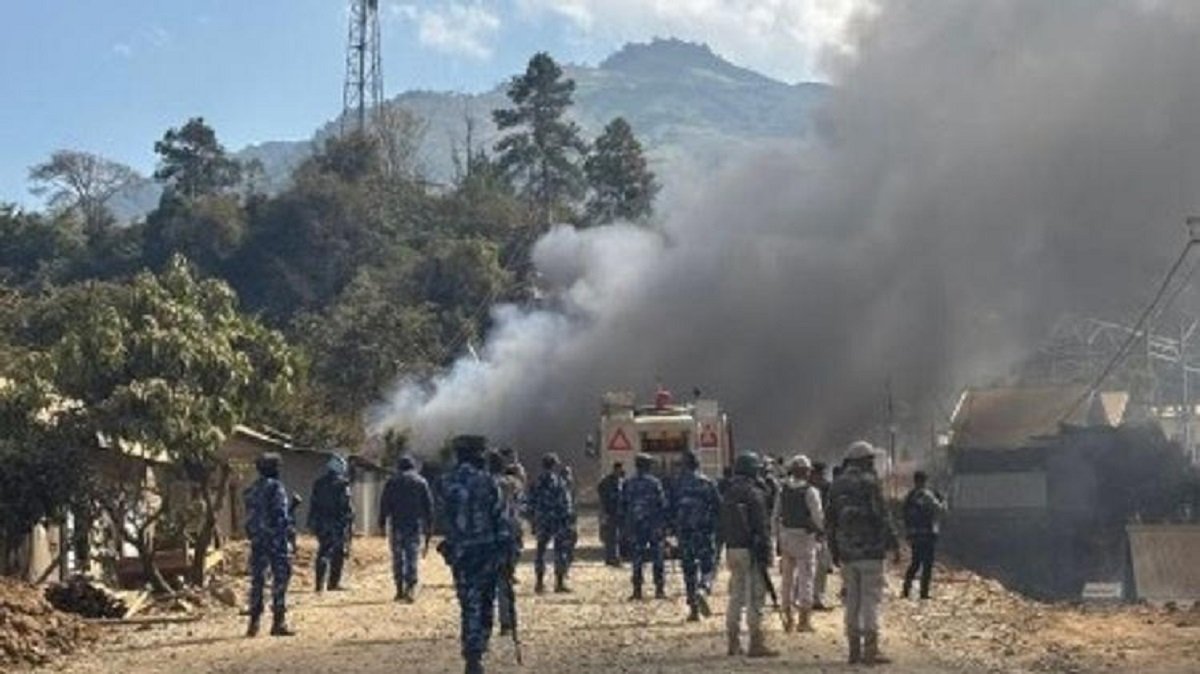

Ukhrul district in Manipur has witnessed renewed tension following a series of allegations by Naga organisations, who have accused Kuki armed groups and security forces of involvement in recent incidents in and around Litan and adjoining villages.
In a detailed statement, the Tangkhul Naga Long (TNL) outlined a timeline of incidents that it claimed occurred throughout February 2026. On February 7, a school teacher identified as Stalin A. Shimray was reportedly assaulted at Litan, sustaining grievous injuries. The following day, on February 8, Kuki militants allegedly entered Sikibung/Sharkaphung village and set fire to more than 23 houses, including that of the village headman. On February 23, portions of the Lungter Hill Range were reportedly set ablaze. The statement further alleged that one villager, Aseng Awungshi, was abducted at gunpoint, while another, Kingson Muivah, narrowly escaped after being fired upon.
The TNL claimed that for more than 18 days, Kuki militants, including cadres operating under the Suspension of Operations (SoO) arrangement, had been moving openly in the presence of Central security forces, terming it a violation of the revised SoO agreement. It also alleged the presence of foreign militants, including cadres of KNA(B), within SoO camps. The organisation further accused Central security forces of siding with Kuki armed groups, suggesting a broader political agenda aimed at carving out a separate administrative arrangement within what it described as ancestral Naga homeland. These allegations have not been independently verified.
Asserting that Litan and surrounding areas are ancestral Naga lands, the TNL maintained that Kukis were historically permitted to settle under specific customary arrangements, including recognition of Naga chiefs’ authority and payment of Hills House Tax, but alleged that these terms had been violated. It further claimed that there has been a significant influx of Kuki settlers from neighbouring Myanmar, leading to the emergence of what it termed “illegal villages” in Naga-inhabited areas. The statement also accused certain groups of forcibly occupying Naga village lands for poppy cultivation, alleging that this has disturbed traditional demography and social cohesion.
The TNL urged both the Central and State Governments to relocate SoO Kuki militant camps away from Naga-inhabited areas and to identify and deport illegal immigrants. It demanded the eviction of unrecognised Kuki settlements and cancellation of what it described as illegal land permits, while also calling for the withdrawal of Central security forces deployed in Naga areas. It asserted that lasting peace cannot come at the cost of Naga land ownership rights.
In a separate but related development, the Ministry of Information and Publicity of the Government of the People’s Republic of Nagalim (GPRN) issued a strongly worded statement titled “When the Truth Hurts,” levelling serious allegations against the Government of India. The GPRN accused Indian security forces and Kuki armed groups of involvement in the February 8 incident at Litan, describing it as a premeditated act of aggression against Tangkhul Nagas. It further alleged that certain Kuki groups under the SoO arrangement were allowed operational freedom and access to resources, contributing to heightened tensions.
The GPRN also questioned the conduct of the Assam Rifles during operations in the region, alleging partiality and overreach. However, these claims remain unverified, and no independent fact-finding report has been made public so far. Security agencies and state authorities had not issued a detailed response to the specific allegations at the time of filing this report.
The GPRN, associated with factions of the National Socialist Council of Nagalim (NSCN), reiterated its longstanding position that the Naga political issue predates the current ethnic tensions in Manipur and must be addressed through recognition of what it describes as historical and political rights. The statement also referred to the 2015 Framework Agreement between the Government of India and NSCN leadership, suggesting that unresolved commitments have contributed to mistrust in Naga-inhabited areas.
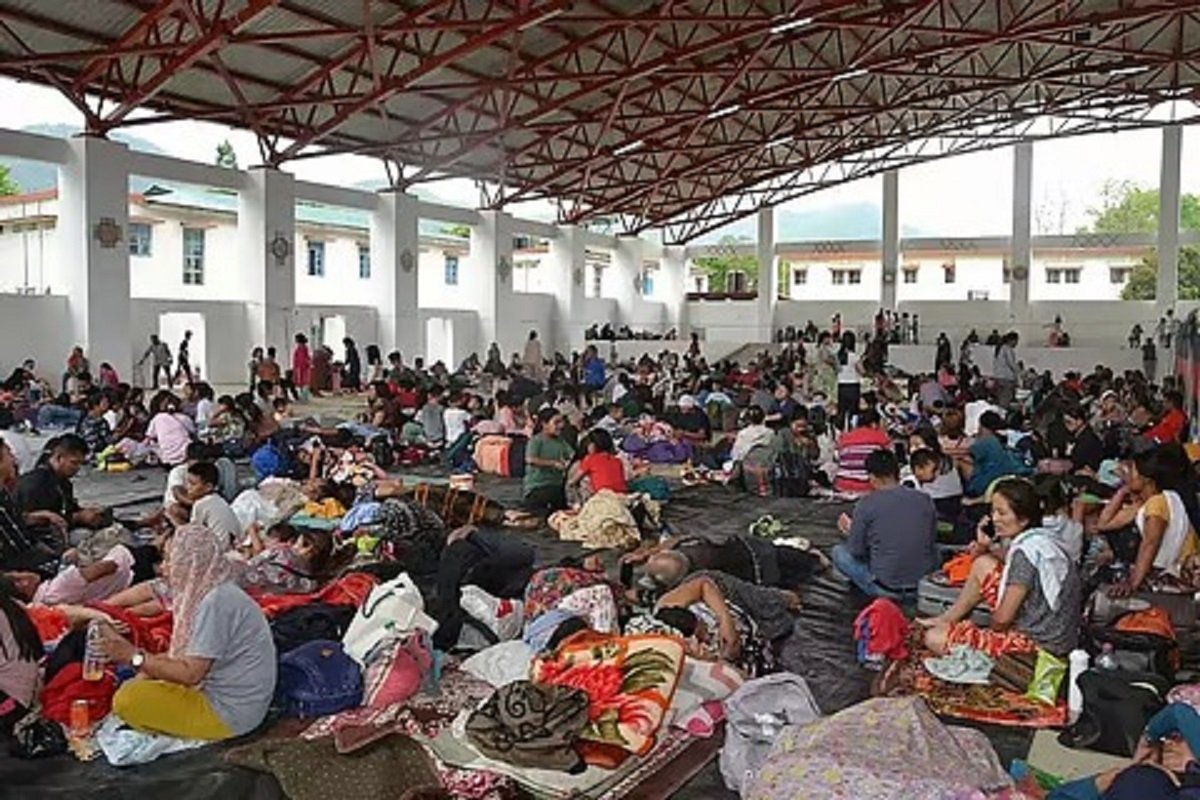
Observers note that the strong language used in the statements reflects deepening mistrust among communities in Manipur’s hill districts, where overlapping territorial claims, insurgent activity, and stalled political dialogue have contributed to recurring tensions. Residents of Ukhrul report heightened anxiety following incidents involving armed movement, arson, and security operations.
Civil society groups have appealed for restraint from all sides, urging insurgent groups, security forces, and community leaders to prioritise civilian safety and avoid inflammatory rhetoric. Analysts have emphasised the need for transparent and impartial investigations to establish facts and prevent further escalation. Community leaders in Ukhrul have also called for renewed dialogue and consistent enforcement of law and order, stressing that accountability for any acts of violence is essential to restoring trust.
As competing narratives continue to circulate and official clarifications remain limited, uncertainty persists in Ukhrul and adjoining areas, with growing calls for transparency, reconciliation, and a peace process that addresses the concerns of all affected communities.