
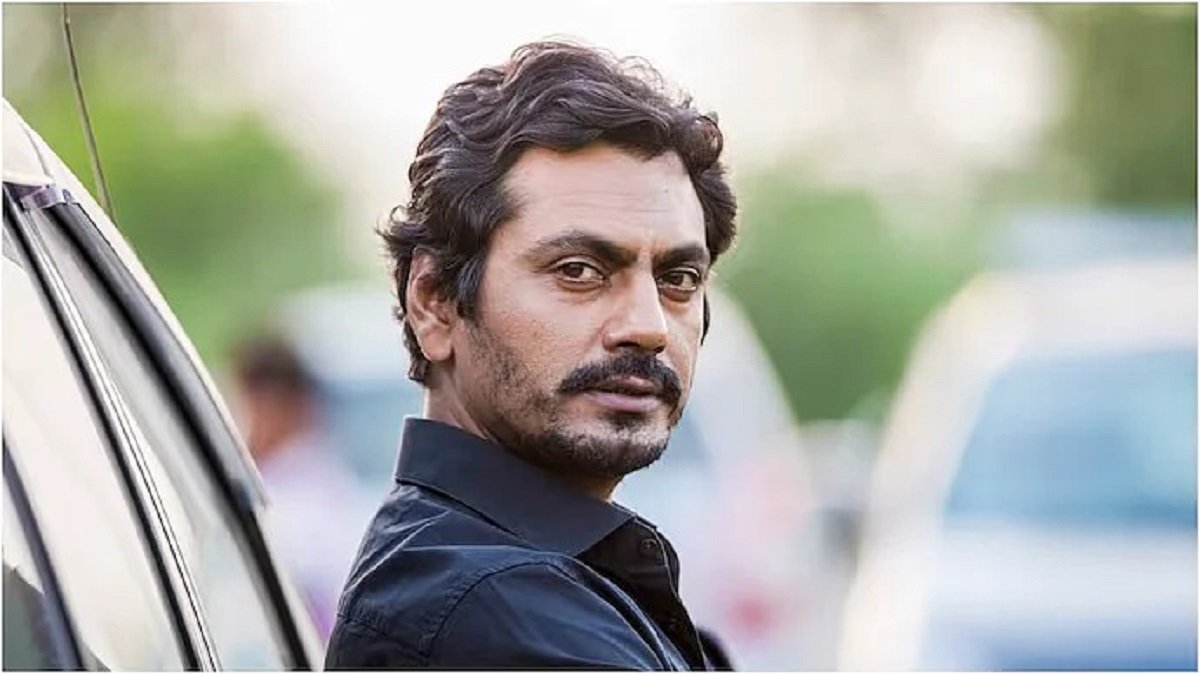
Streaming in India aligned perfectly with Nawazuddin Siddiqui’s career, especially following his role in Anurag Kashyap’s 2012 film Gangs of Wasseypur. His prominence increased with the 2017 Netflix series Sacred Games, marking Netflix India’s first original production.
Raat Akeli Hai: The Bansal Murders marks the second time Siddiqui has reprised his role as investigating officer Jatil Yadav, having initially portrayed the character in the 2020 release. However, he acknowledges that returning to this role was not as easy as it might look.
In an exclusive interview, Siddiqui emphasizes that although the fundamental aspects of a project may remain unchanged, approaching it with the mindset that it will be easy can lead to mistakes. He asserts that every new film represents a fresh start, which, while sharing core elements, involves a unique and complex case that addresses class disparities.
Interestingly, both parts of Raat Akeli Hai are written by Smita Sharma, known for her work on Sacred Games. Siddiqui emphasizes that Smita’s dialogues are memorable and rhythmic, facilitating easier memorization for actors. He notes the interconnectedness of the lines, making them enjoyable to deliver once learned.
Raat Akeli Hai: The Bansal Murders features an ensemble cast, including Radhika Apte and Ila Arun returning as Jatil’s love interest and mother. New cast members include Chitrangada Singh, Rajat Kapoor, Sanjay Kapoor, Revathy, and Deepti Naval. Siddiqui noted the challenge of working with the experienced female actors.
Siddiqui reflects on observing Revathy ma’am’s evolving performance, noting that her added characteristics made her portrayal feel distinct from the script. Initially, it seemed strange, but as the takes progressed, Siddiqui felt she was embodying a different character, marking a significant learning experience for him.
He commended casting director Trehan for choosing Deepti Naval as a scheming spiritual guru in “Miss Chamko.” Siddiqui praised Naval, describing her as Guruma and noting her loving yet haunting suggestion to kill a character, illustrated by a throat-slashing gesture.
Siddiqui, an advocate for independent cinema, expresses concern over the current crisis in indie films, particularly highlighting how Kanu Behl’s acclaimed film Agra suffered from limited screenings due to its competition with the mainstream romantic comedy De De Pyaar De 2. He reminisces about the early days of streaming in India, when indie films thrived. Siddiqui argues against the idea that films must be commercially viable, likening cinema to a favorite restaurant that, regardless of marketing, attracts patrons based on its quality. He contends that cinema’s success should not rely on marketing efforts.
He praises independent cinema for enhancing India’s global presence in film, citing Payal Kapadia’s *All We Imagine As Light* (2024), which was featured at Cannes and won an award but struggled for viewership in India, being pulled from theaters in just four days. Siddiqui criticizes this neglect as “dangerous” and argues that indie films offer aspirational content, contrasting with the diminishing quality of mainstream cinema. He expresses a desire for more thought-provoking films, noting that even he, despite feeling overwhelmed by commercial offerings, seeks intellectual engagement in cinema.