
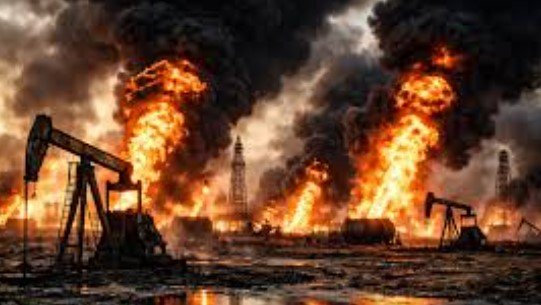
The global energy market has been plunged into a state of acute uncertainty following a series of strategic Iranian military strikes that have severely compromised Qatar’s ability to export Liquid Natural Gas (LNG). As one of the world’s largest suppliers of natural gas, any disruption to Qatar’s supply chain sends immediate shockwaves through international economies, particularly in Europe and Asia, which rely heavily on Qatari shipments for industrial and domestic power. Reports from the Persian Gulf indicate that key port facilities and offshore loading terminals have sustained significant structural damage, rendering several major carrier vessels unable to dock or depart. The strikes, which Tehran claims were a response to regional provocations, targeted the very heart of the North Field infrastructure, effectively bottlenecking the flow of gas from the world’s largest non-associated gas field. Maritime insurance companies have already suspended coverage for vessels operating in the Strait of Hormuz, creating a de facto naval blockade that further isolates Qatari energy assets from the global market.
The economic fallout was instantaneous, with natural gas futures in London and Tokyo surging by nearly 40% within hours of the reported kinetic activity. Energy analysts warn that if these export terminals remain offline for more than a few weeks, several nations may be forced to implement emergency energy rationing as winter stockpiles begin to dwindle. The technical complexity of Qatar’s liquefaction plants means that repairs cannot be conducted swiftly, especially under the persistent threat of further aerial or missile incursions. While the Qatari government has officially stated that it is working to stabilize the situation and find alternative shipping routes, the geographic reality of the Persian Gulf makes any bypass of the conflict zone nearly impossible for large-scale LNG tankers. The United Nations and various global powers have called for an immediate cessation of hostilities to prevent a total collapse of the global energy grid, but the geopolitical tension remains at a breaking point.
This unprecedented disruption has also triggered a massive sell-off in global equity markets, with energy-intensive industries facing the brunt of the investor panic. For countries like India and China, which are in the midst of significant industrial expansions, the loss of Qatari gas could lead to a prolonged slowdown in manufacturing and a spike in domestic inflation. Military experts suggest that the precision of the strikes indicates a deliberate attempt to exert maximum economic leverage on the international community by holding the world’s primary energy artery hostage. As the smoke clears over the Gulf, the focus remains on whether diplomatic channels can de-escalate the “Gas War” before the damage to Qatar’s infrastructure becomes permanent, potentially altering the geopolitical map of the Middle East and the global energy landscape for decades to come.