
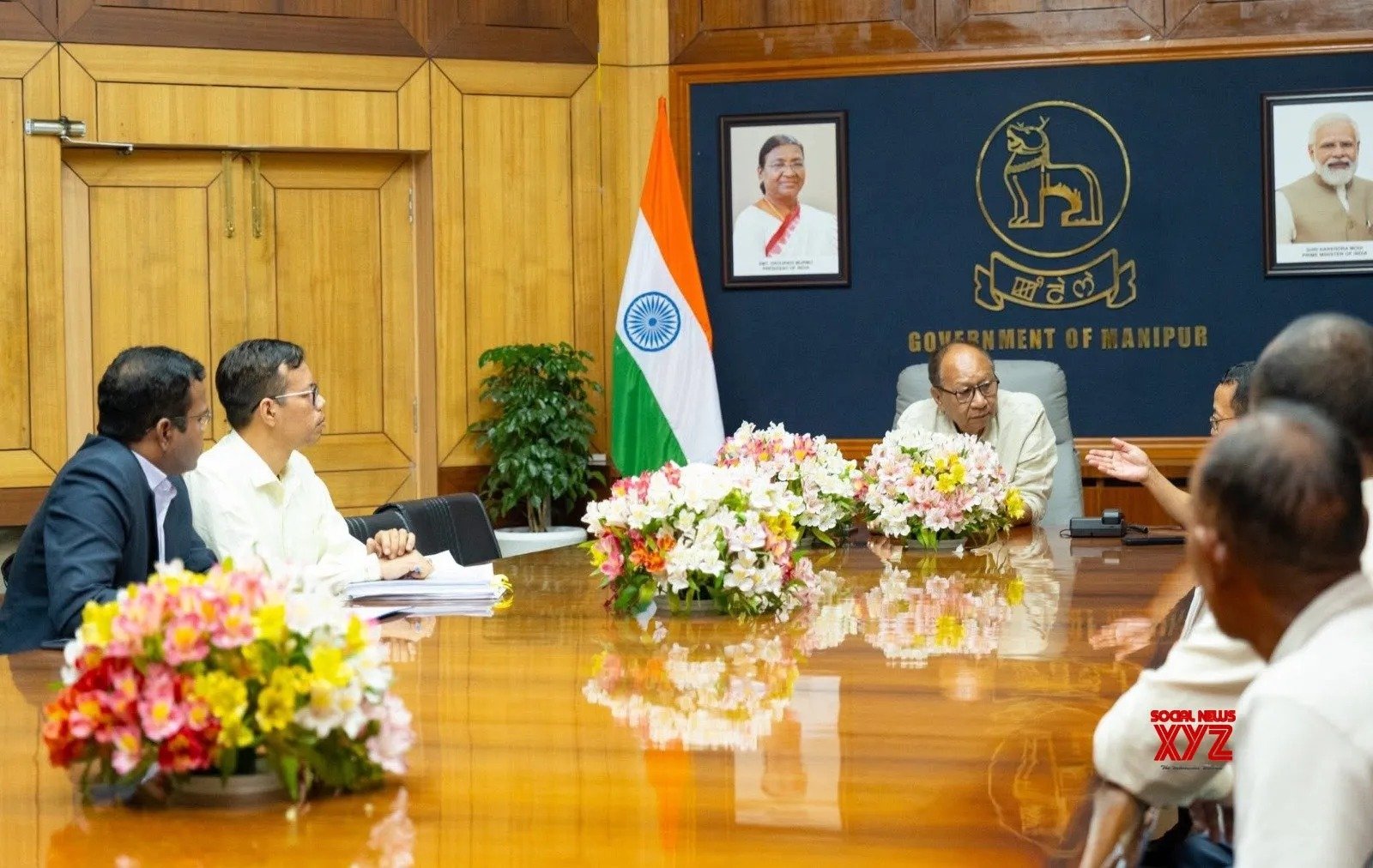
As Manipur Chief Minister Yumkham Khemchand Singh prepares for his scheduled visit to Jiribam, the Indigenous Tribes Advocacy Committee (ITAC) has officially raised a demand for a long-term political settlement. The committee, which represents the tribal interests of Pherzawl and Jiribam districts, is calling for the implementation of the Sixth Schedule of the Indian Constitution to ensure the protection and autonomy of these regions.
In a press statement issued on April 3, the ITAC expressed significant reservations regarding the underlying intent of the chief minister’s visit. While the state government has indicated that the visit is primarily intended to facilitate interactions with Internally Displaced Persons (IDPs) affected by the recent ethnic violence, the ITAC argues that the focus remains too narrow. The committee stated that the crisis facing tribal communities cannot be solved through mere financial compensation or temporary resettlement packages.
In the face of persistent ethnic tensions, the ITAC stressed that the fundamental problem is the systemic vulnerability of tribal lands and identities. By demanding the Sixth Schedule for the Pherzawl district and the tribal-inhabited areas of Jiribam, the committee is seeking a constitutional framework that allows for local self-governance. This provision would grant the tribal communities greater control over their land, forests, and cultural practices, which they believe is the only way to prevent future displacement.
The committee’s statement highlighted that while the plight of the IDPs is time-sensitive, it is a symptom of a deeper political failure. They expressed concern that high-profile visits often result in temporary relief measures rather than addressing the root causes of the conflict. The ITAC has urged the state leadership to look beyond the immediate humanitarian crisis and consider a permanent political restructuring that recognizes the unique status of the indigenous tribes in these border districts.
As the chief minister’s delegation heads to the region to assess the ground reality of the relief camps, the ITAC has made it clear that their support for any government initiative is contingent on the recognition of their constitutional demands. This development adds a new layer of political complexity to the chief minister’s visit, signaling that the path to peace in Manipur’s tribal belts requires more than just administrative outreach—it requires a fundamental shift in political status.