
Under the authority of the Waqf Board, Manipur, an inspection was carried out at two madrasas—Nahrul Uloom, located at Mantripukhri, and Zamia Islamia, at Keirang Khomidok, Imphal East.
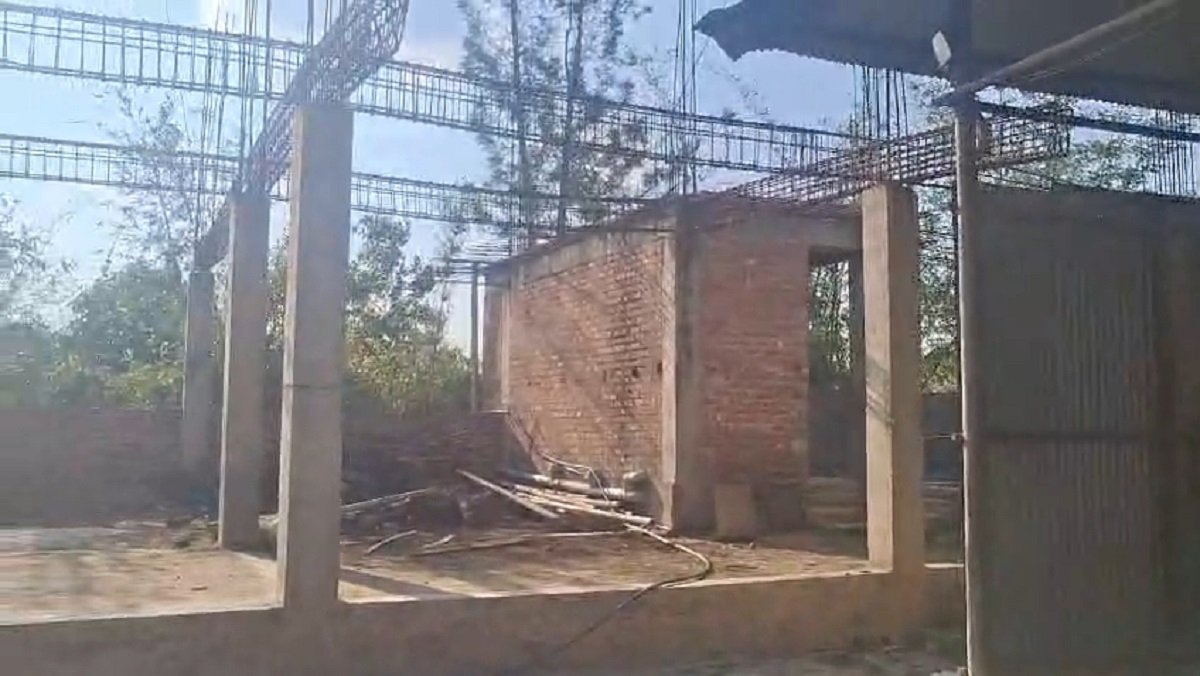
During the inspection at Nahrul Uloom, several irregularities were observed. The madrasa premises were found not maintaining the prescribed norms and guidelines required for an educational institution.
It was reported that portions of the madrasa land had been encroached upon, with residential houses constructed in the area. Basic infrastructure was also found lacking, including the absence of proper toilet facilities. Furthermore, a shop had been set up within the madrasa compound.
Local residents stated that no regular madrasa activities had been conducted since before the month of Ramzan.
A teacher identified as Mufti Anwar reportedly stated that the madrasa is no longer functional and expressed no intention of resuming its previous operations.
At Zamia Islamia, Keirang Khomidok, it was reported that six teachers had initially been appointed. However, only one teacher is currently active, while the remaining five are absent. It was also revealed that these teachers have not submitted the required declaration forms.
During June and July 2025, teachers for subjects such as English and mathematics were appointed without the knowledge or approval of the madrasa committee.
Subsequently, when the committee attempted to regularize or reappoint teachers, disputes arose, leading to non-cooperation from the concerned individuals.
Due to the absence of teachers, students admitted during 2025 reportedly discontinued their studies. These findings were observed during an inspection conducted by the Minorities Students’ Association (MSA), Manipur.
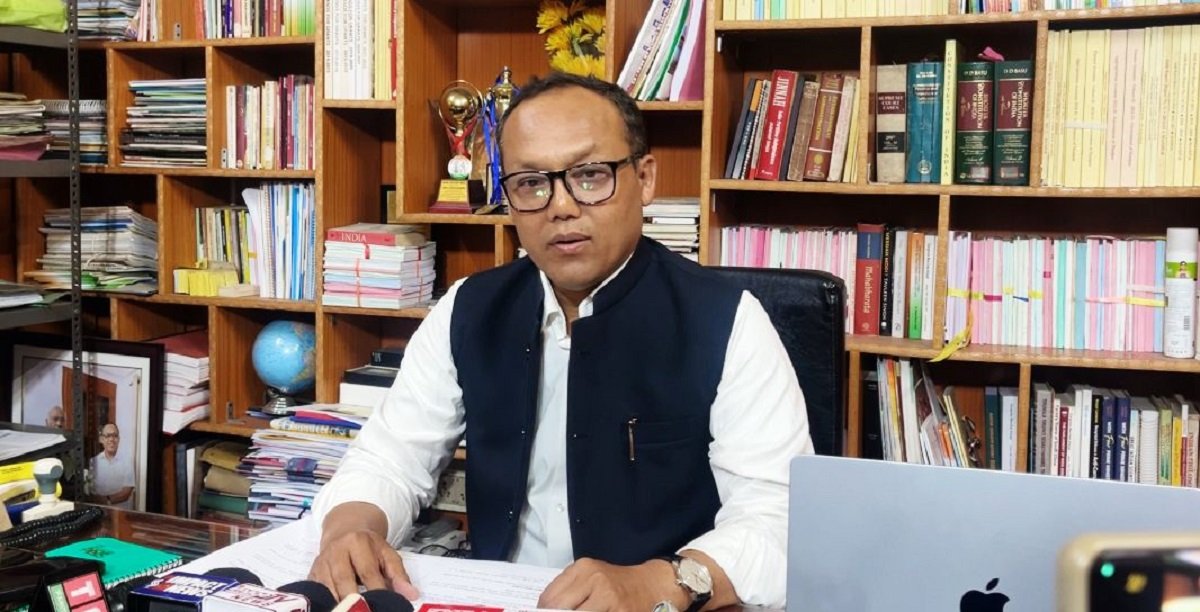
In response, the MSA, Manipur, strongly condemned the current situation and urged the Waqf Board authorities to take immediate and appropriate action against those responsible.
The organization has also appealed to the public to extend cooperation in addressing the issues faced by these madrasas.
A Waqf Board is a statutory body in India, established under the Waqf Act, 1995, responsible for managing, protecting, and regulating Waqf properties—assets permanently dedicated for religious, pious, or charitable purposes under Islamic law. These state-level boards oversee properties like mosques and schools, with the central government advised by the Central Waqf Council.