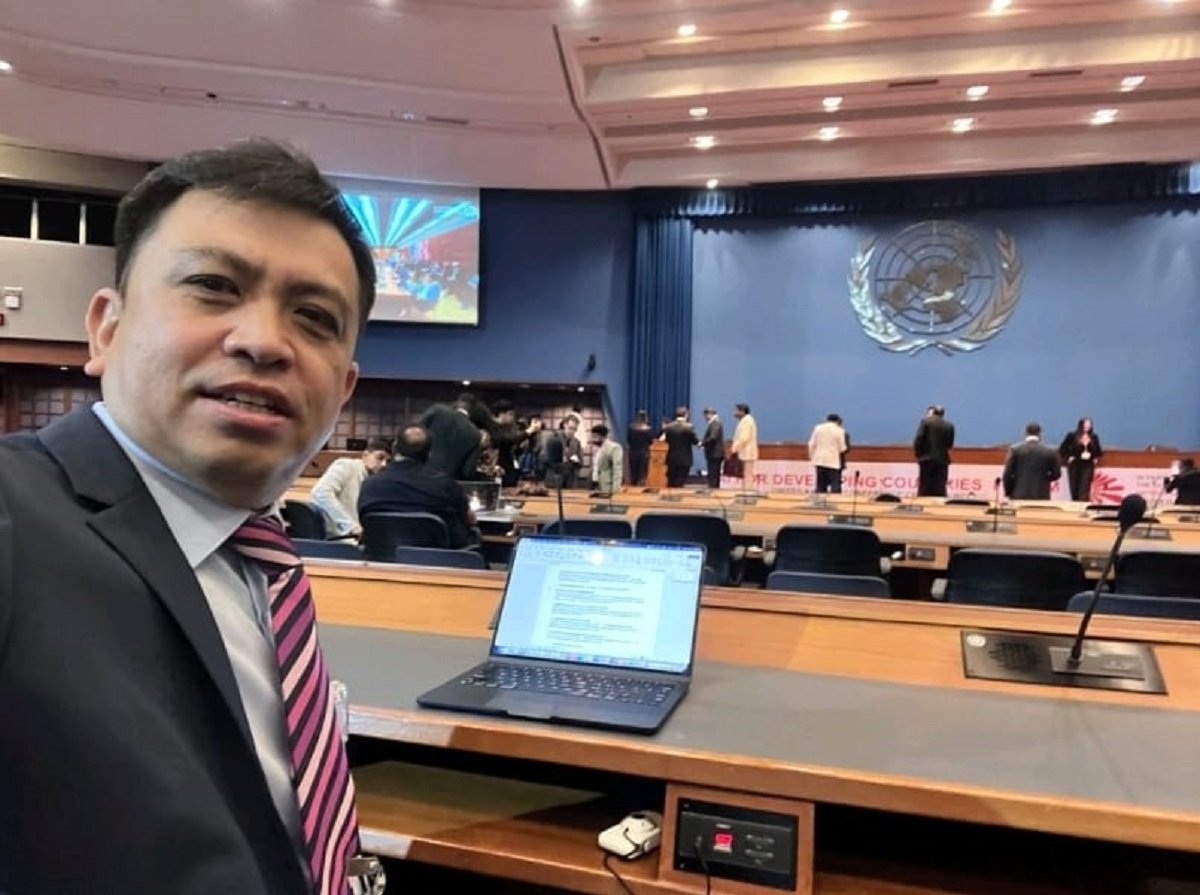

At a time when artificial intelligence is reshaping governance, economies, and societies worldwide, a three-day international summit at the United Nations in Bangkok placed the spotlight firmly on inclusion, sovereignty, and equitable participation for the Global South. The event, attended by over 600 delegates from more than 150 countries, was organised by AI for Developing Countries, with a clear mandate to promote “AI for All” while addressing the growing concerns of digital imbalance.
The summit witnessed active participation from policymakers, technologists, civil society leaders, and industry experts. Representing India was Haobam Joyremba, Founder and Managing Director of CubeTen Technologies Pvt. Ltd., marking his third engagement at the United Nations following earlier participations in Geneva and Vienna. His consistent presence across these global forums underscores the importance of amplifying voices from smaller states and regions in international AI discourse.
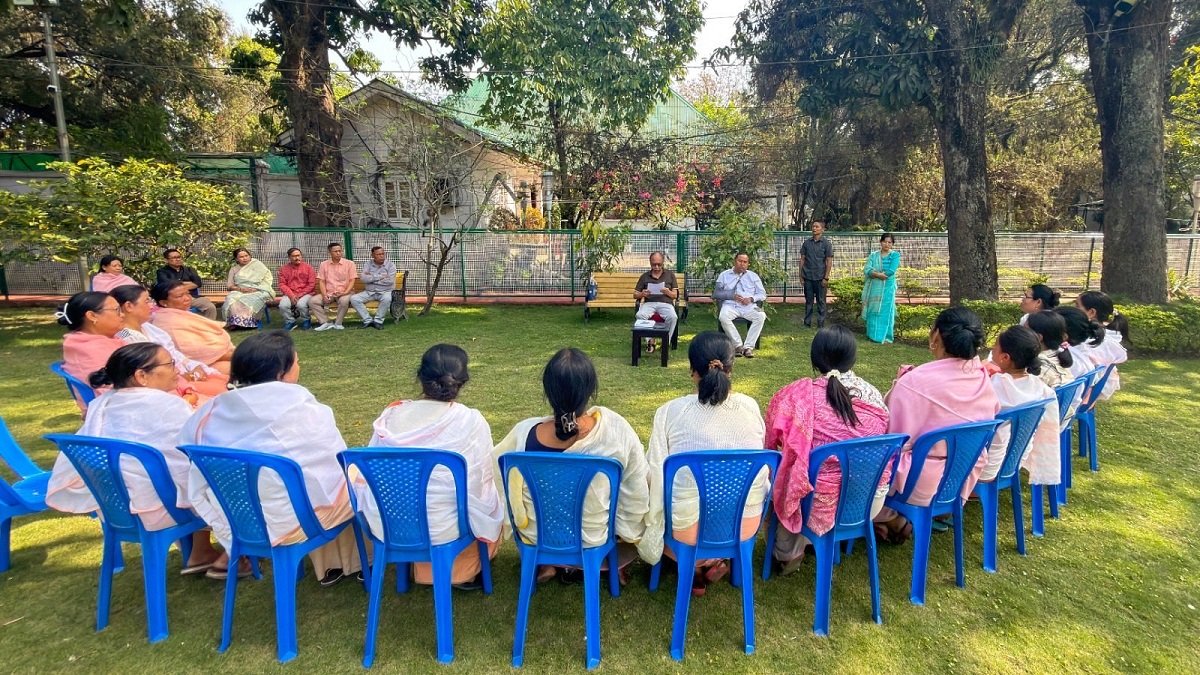
Several specialised working groups were constituted during the Bangkok deliberations. Joyremba contributed to two key groups focusing on AI for Smaller Communities and AI for Governance. He highlighted that for smaller states and regions, AI can be a powerful enabler of governance—improving service delivery, transparency, policy planning, and citizen engagement—provided it is context-aware and locally grounded. However, he cautioned that many such regions lack sufficient digital data, making them invisible to mainstream Large Language Models and limiting meaningful participation.
A major concern raised was the growing dependency of digital infrastructure on a handful of global technology companies. This concentration, he noted, poses a serious strategic risk, particularly for developing countries and smaller administrations, as it leads to technological lock-in, data extraction, and long-term dependency. He warned that if corrective steps are not taken, the Global South may remain a consumer of AI technologies rather than a contributor or co-creator.
The summit also addressed the broader challenge of digital colonisation, where licensing fees flow outward, local needs remain unmet, and cultural identities risk dilution. Preserving indigenous languages, traditions, and governance contexts through responsible AI design emerged as a central theme.
One of the key outcomes of the Bangkok summit will be a consolidated policy document capturing these concerns and recommendations. This document is expected to be formally pushed for ratification by member countries, aiming to shape future international frameworks on AI sovereignty, inclusive governance, and equitable technological development.
Haobam Joyremba represents India at AI summit in Bangkok