
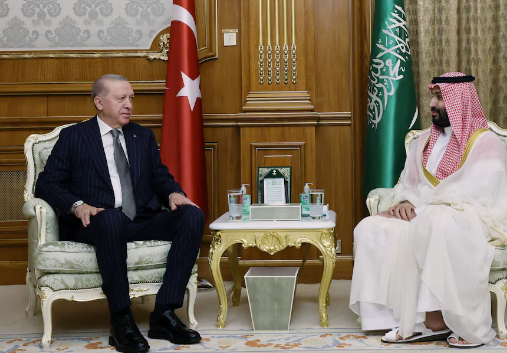
In a landmark move to bolster regional stability, Saudi Arabia, Turkey, and Pakistan officially signed the “Mecca Joint Defence Agreement” on August 7, 2026. The pact, finalized in Islam’s holiest city, establishes a NATO-style collective security framework, stipulating that any armed aggression against one signatory will be regarded as an attack on all three. The signing ceremony was attended by Saudi Crown Prince Mohammed bin Salman, Turkish President Recep Tayyip Erdoğan, and Pakistani Prime Minister Shehbaz Sharif, signaling a unified front among three of the Muslim world’s most influential military powers.
This strategic realignment comes against the backdrop of an intensifying regional war that began in February 2026, involving escalating hostilities between Iran, the United States, and Israel. For months, Saudi Arabia and other Gulf states have faced persistent drone and missile strikes, alongside threats to vital energy supply chains. By formalizing this alliance, the signatories aim to strengthen collective deterrence and enhance military interoperability. The new agreement effectively expands upon a bilateral defense treaty signed between Riyadh and Islamabad in September 2025, integrating Turkey’s advanced defense-industrial capabilities—including its noted drone technology—into the broader trilateral security architecture.
While a Turkish official characterized the pact as purely defensive and open to other regional partners, the agreement marks a significant shift in Middle Eastern geopolitics. Analysts suggest that the immediate test for this coalition may arise in Yemen, where Riyadh remains locked in conflict with Iran-aligned Houthi forces. With thousands of Pakistani troops already reportedly deployed to the Kingdom and expanded naval and air cooperation underway, the Mecca agreement represents a definitive commitment to shared security in an era of deepening volatility