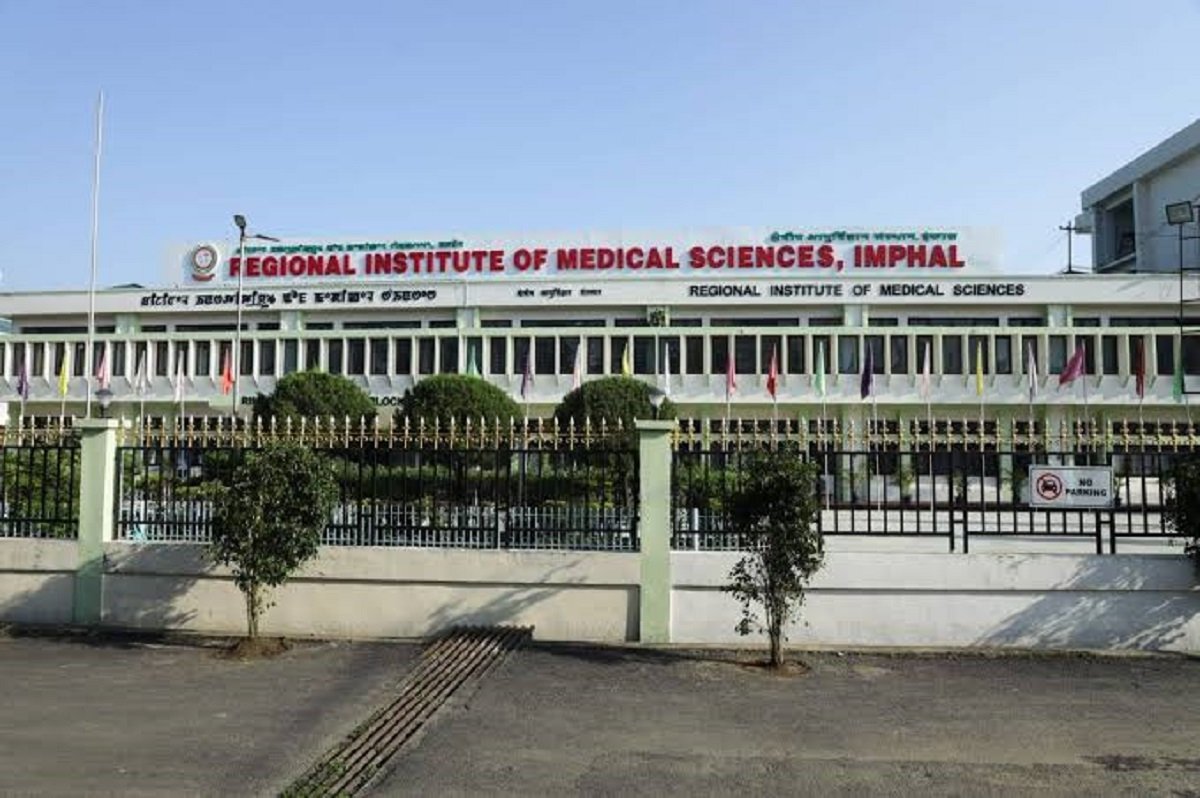

In a proactive effort to promote responsible driving and minimize preventable road accidents, the Office of the Chief Medical Officer in Churachandpur has initiated a free eye check-up for all drivers as part of the National Road Safety Month 2026. This event, supported by the District Administration, is scheduled for January 30 at the Eye OPD of the District Hospital from 9:30 a.m. to 2:00 p.m., overseen by Dr. Ginthianmung, the District Nodal Officer of the National Programme for Control of Blindness and Visual Impairment (NPCB&VI) under the National Health Mission (NHM).
The health camp aims to ensure that drivers, particularly those of passenger and commercial vehicles, have optimal vision, which is crucial for safety on the roads. Drivers interested in participating can obtain registration slips from the Departmental Registration Counter. Chief Medical Officer Dr. T Vanlalkungi has emphasized the significance of visual health, highlighting that it represents not only a personal issue but a communal responsibility for road safety.
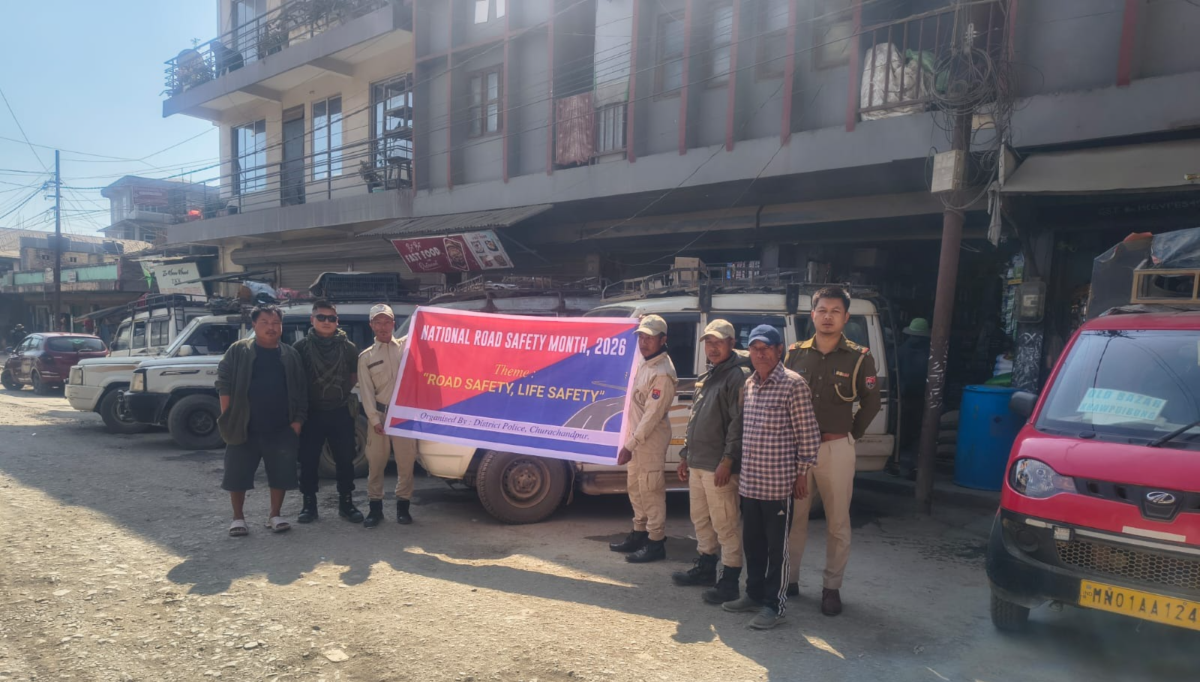
In conjunction with this initiative, a public awareness campaign was conducted by Churachandpur Police, led by Officer-in-Charge Inspector Thangpu Tonsing. Under the theme “Road safety, Life safety,” the campaign targeted critical areas such as helmet usage, maintaining valid driving licenses, the hazards associated with drunk driving, and the necessity of seatbelts along Teddim Road and Rengkai Road.
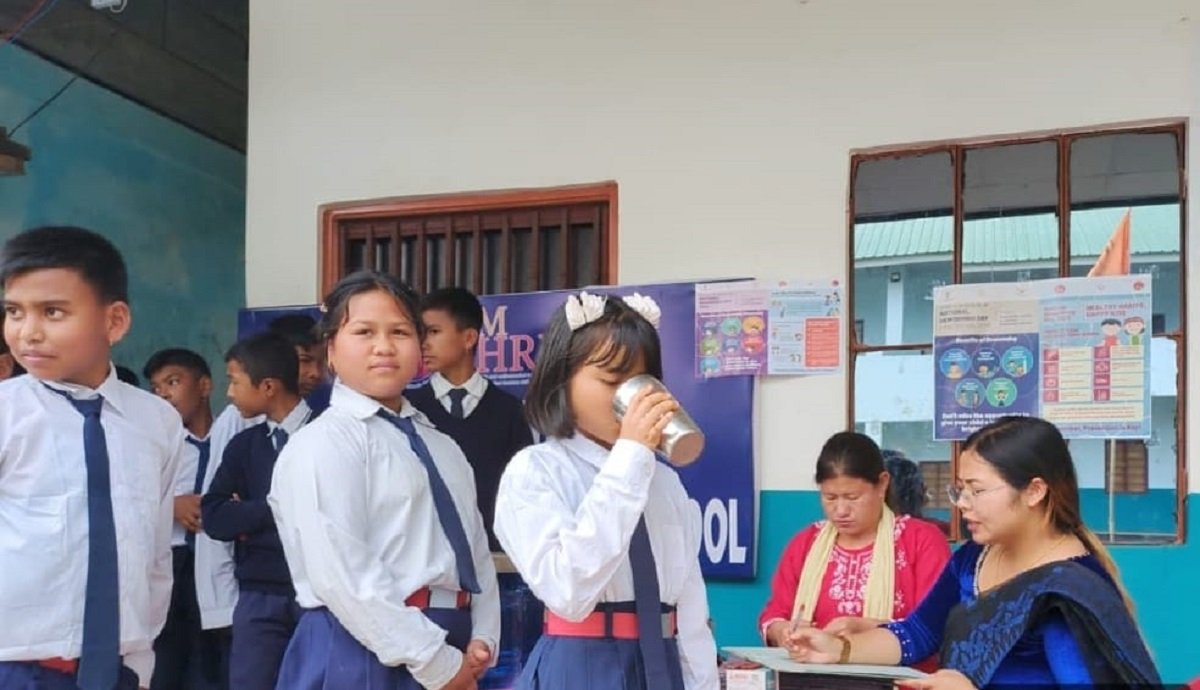
Additionally, the Singngat Police Station, under Inspector James Vaiphei, engaged in a targeted awareness program at three educational institutions—Lyzon Friendship School, St. Joseph’s High School, and Rayburn High School. Presentations addressed a variety of traffic violations and their repercussions as outlined in the Motor Vehicles Act (2025–2026). Violations discussed included riding without a helmet (Section 194D), triple riding (Section 194C), drunk driving (Section 185), driving without a license (Section 181), dangerous driving (Section 184), speeding (Section 183), failure to use seatbelts (Section 194B), using mobile phones while driving (Section 184(c)), lack of insurance (Section 196), and disobeying traffic authorities (Section 179).
Of particular concern was juvenile driving, which incurs severe penalties under Section 199A, including a fine of ₹25,000, up to three years’ imprisonment for parents or vehicle owners, cancellation of vehicle registration for a year, and restrictions on juveniles obtaining a driving license until age 25. Inspector Vaiphei insisted that instilling awareness at the school level could substantially diminish future violations and related accidents, highlighting the necessity of early education in traffic laws.