
The Thadou Inpi Assam (TIA) expressed gratitude to the Government of Assam for its efforts towards ending armed militancy through the Memorandum of Settlement (MoS) signed with the Kuki groups on March 15. This initiative aims to incorporate armed groups into the democratic framework, promoting peace, stability, and development in Assam’s hill districts. The TIA acknowledged the Kuki groups’ decision to abandon militancy and participate in democratic processes, including forming the Kuki Welfare and Development Council (KWDC). They hope this political settlement is a step towards ending coercion and intimidation affecting local communities.
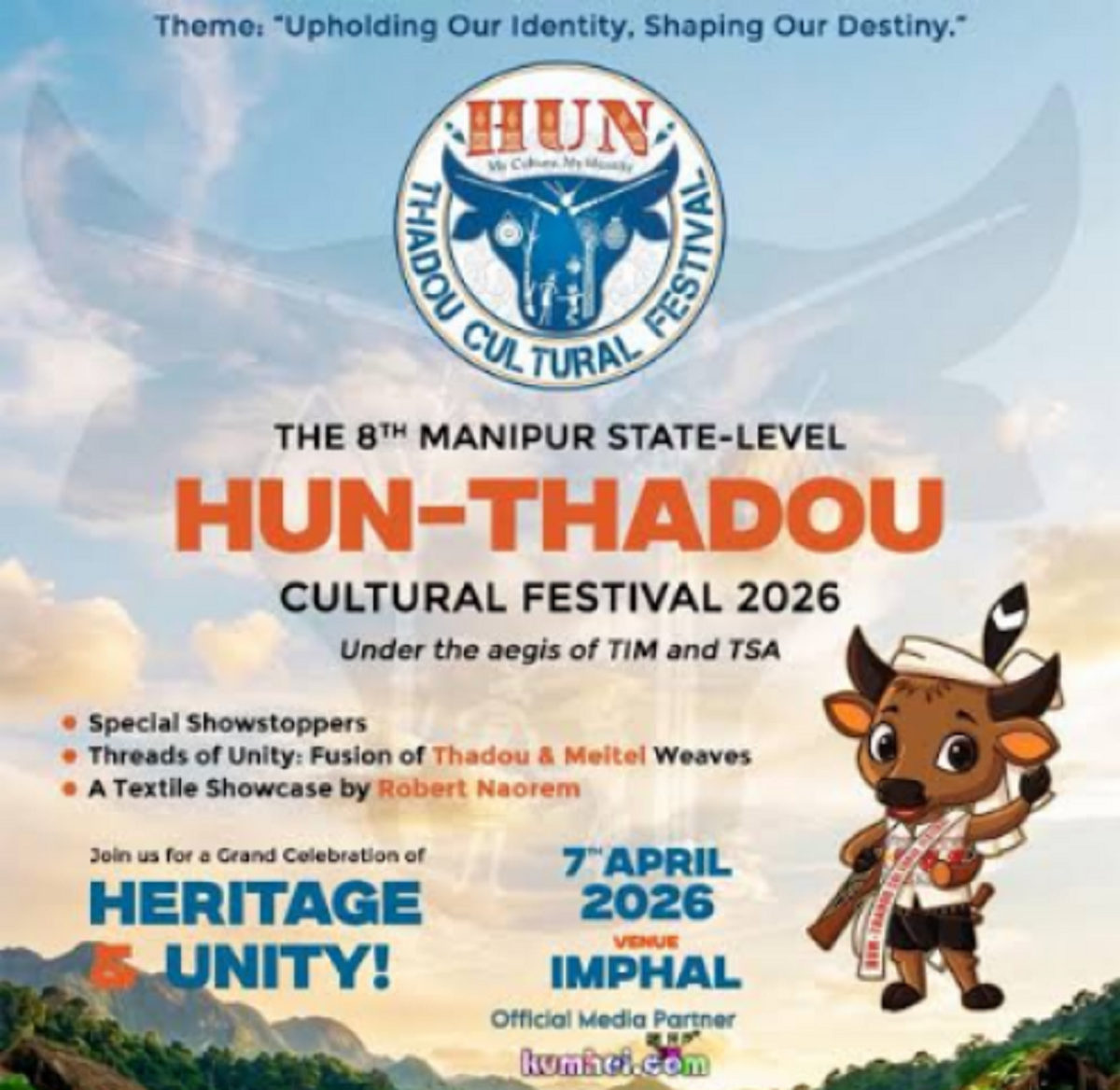
However, the Thadou people, especially in Dima Hasao and Karbi Anglong, have faced violence and unlawful activities from Kuki militant groups, even during the Suspension of Operations (SoO). The TIA highlighted attempts by Kuki elements to erode the Thadou identity, citing obstacles to Thadou participation in cultural events like the Hun-Thadou Cultural Festival due to Kuki threats. They also seek justice for the murder of Nehkam Jomhao, a respected leader, noting that those behind this crime remain unpunished.
The historical Kuki–Thadou conflict from 1992 remains unresolved, with ongoing disputes over identity and representation. The TIA criticized the status granted to Kuki militants through the KWDC, claiming that it undermines the interests of the Thadou people and compromises their cultural identity. They asserted the need to maintain the constitutional frameworks of the Karbi Anglong Autonomous Council (KAAC) and the North Cachar Hills Autonomous Council (NCHAC), emphasizing that Thadou lands cannot be governed by the KWDC.
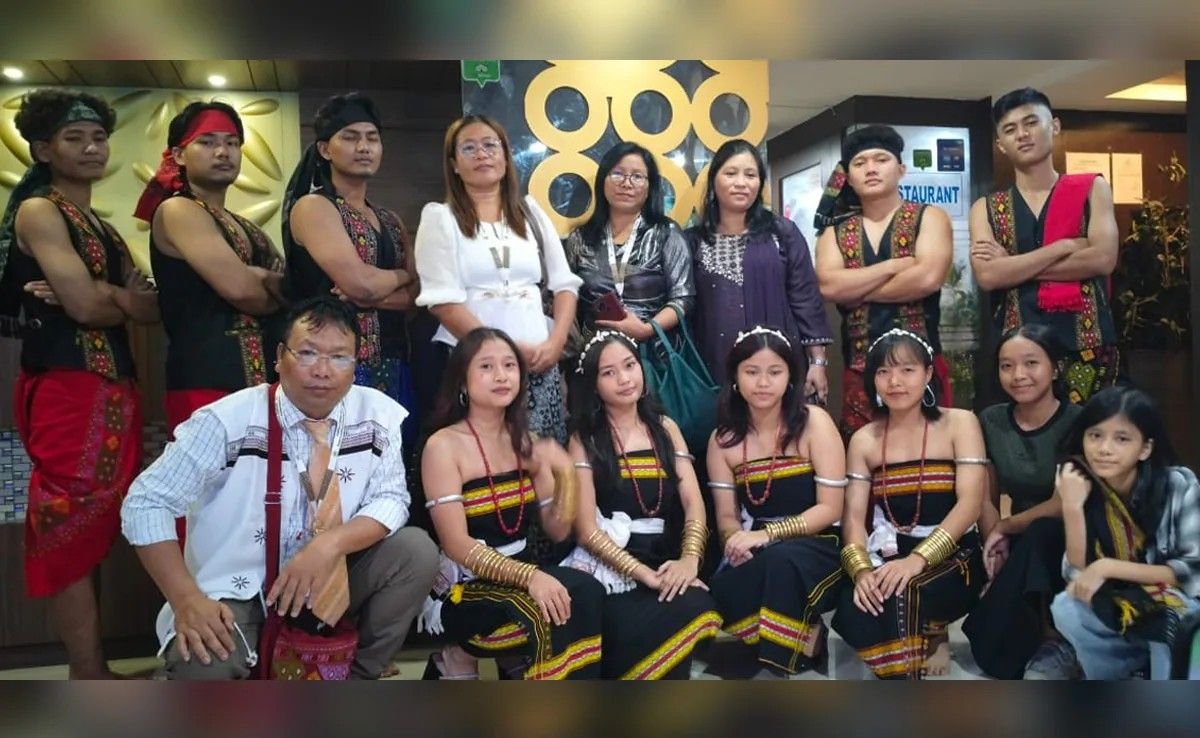
The TIA called for respect and protection of the Thadou language and cultural identity, insisting that their heritage should not be conflated with Kuki identity. They reiterated demands for recognition of the Thadou as a distinct community, referencing the Kaka Kalelkar Commission Report of 1955, which recommended recognizing tribes by their linguistic and cultural identities, rather than collective labels. The TIA urged the Government of Assam to facilitate a Community Understanding that explicitly respects the Thadou people’s identity, cultural rights, and historical context, ensuring that their self-identification is upheld in all development and political arrangements.