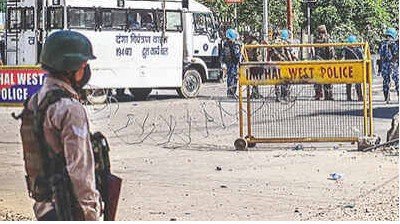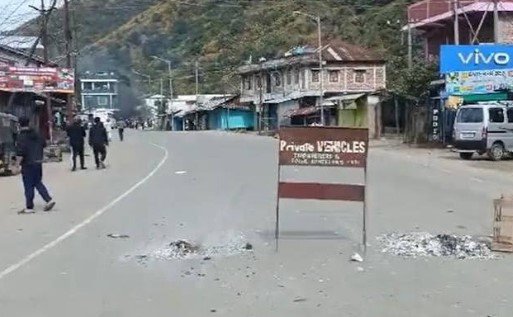

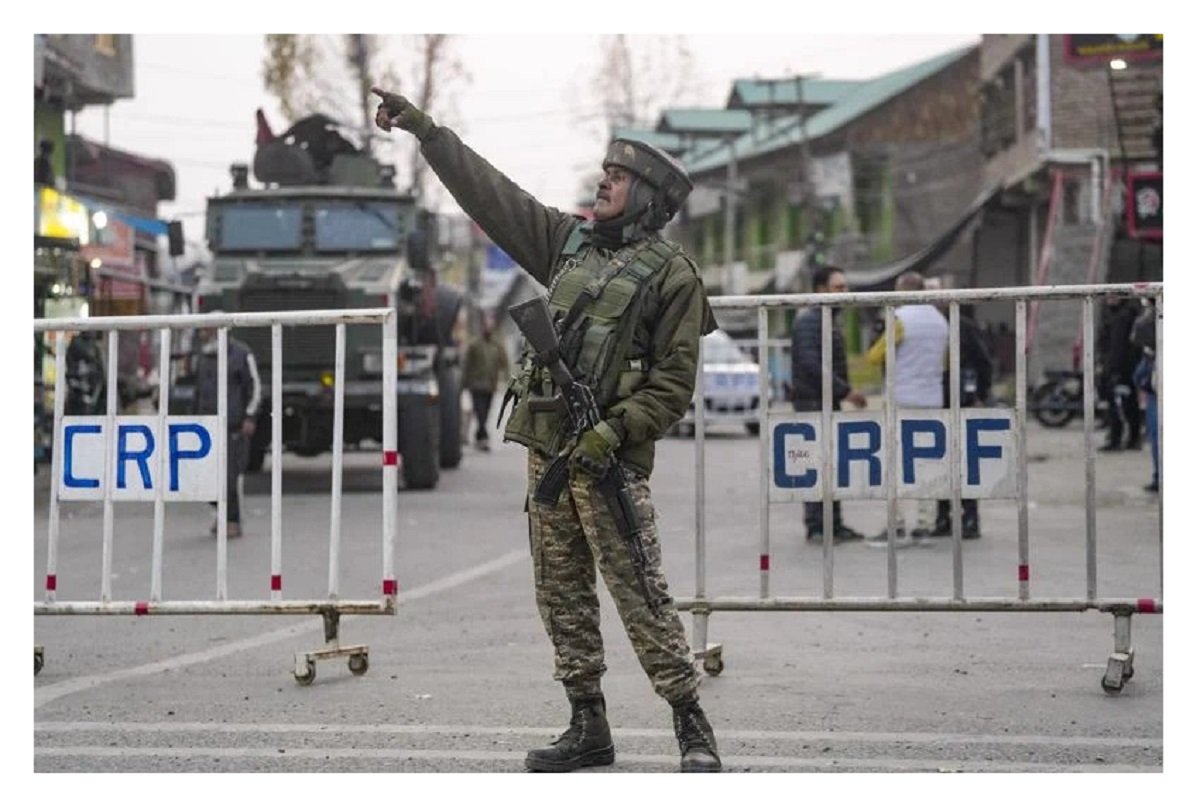
The Central Reserve Police Force (CRPF) has withdrawn a battalion comprising more than 1,000 personnel from Chhattisgarh’s anti-Naxal operations zone and redeployed it to Manipur amid continuing ethnic violence in the northeastern state.
The move marks the first complete withdrawal of a Central Armed Police Force (CAPF) battalion from the anti-Naxal operations theatre since the Centre declared in March that armed Maoism had been eliminated from the country.
According to officials quoted by the Press Trust of India (PTI), the battalion was stationed in Sukma district of south Bastar in Chhattisgarh, which was once a major stronghold of Maoist insurgency. The unit had been engaged in Left Wing Extremism (LWE) operations for several years before shifting its focus to de-mining activities and the detection and disposal of improvised explosive devices (IEDs) following the Centre’s declaration in March.
A senior security official based in Delhi said the CRPF headquarters had ordered the withdrawal of the battalion to strengthen the force’s presence in Manipur, where ethnic violence has continued since May 2023.
The latest redeployment comes months after two battalions of the CRPF’s specialised jungle warfare unit, the Commando Battalion for Resolute Action (CoBRA), were sent to Manipur. Several other regular CRPF units and personnel of the Rapid Action Force (RAF) have also been deployed in the state as part of security arrangements.
However, the arrival of another large contingent is expected to put additional pressure on the existing accommodation and logistical facilities available for security personnel in Manipur. Officials said necessary instructions had been issued to ensure adequate arrangements for the incoming battalion.
The CRPF has played a major role in the country’s anti-Naxal campaign, with more than one lakh personnel involved in operations against Maoist insurgents. More than 25 regular and CoBRA battalions were previously stationed in Chhattisgarh, one of the states worst affected by the Maoist insurgency.
Following the withdrawal, the CRPF headquarters has directed neighbouring CRPF units and the Chhattisgarh Police to take over the security posts and responsibilities previously managed by the battalion.
The withdrawal, however, has raised concerns among sections of the state security establishment. A senior Chhattisgarh Police officer expressed apprehension that the move could create a gap in the existing anti-Naxal security network.
The officer pointed out that the battalion had recently been involved in extensive de-mining and IED disposal operations in Sukma, aimed at making routes safer for public movement and reducing the threat posed by explosives planted by Maoist groups.
Meanwhile, a senior security official indicated that the redeployment exercise could extend beyond the latest withdrawal. According to the official, there is a proposal to withdraw at least three more paramilitary battalions from the anti-Naxal operations theatre in Chhattisgarh and Odisha.
These additional units could either be deployed in Manipur or assigned to strengthen security along India’s international borders with Pakistan and Bangladesh.
The official said the proposed withdrawals also reflected the improving security situation in Maoist-affected areas, allowing state police forces to gradually assume responsibilities that were earlier handled by central paramilitary units.