
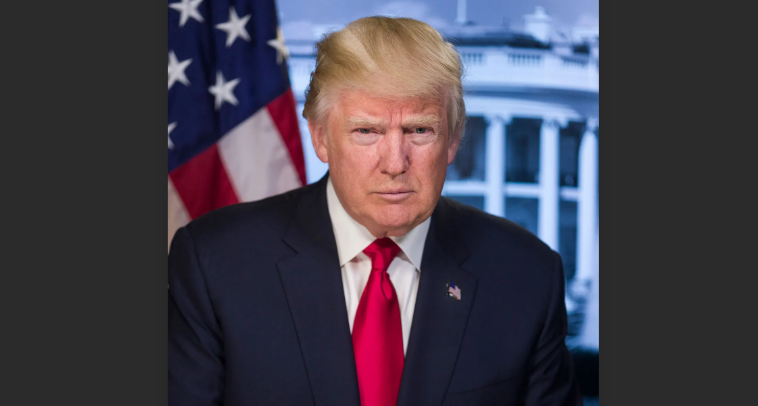
Tensions in the ongoing Iran-Israel conflict intensified after former US President Donald Trump declared that Iran cannot “blackmail” the United States by threatening to disrupt the Strait of Hormuz, a crucial global oil transit route. His remarks came as Iran moved to reassert control over the strategic waterway, reportedly firing on vessels and restricting maritime passage following disputes over a US-led blockade.
The Strait of Hormuz, through which nearly a fifth of the world’s oil supply passes, has become a focal point of the conflict, with Iran repeatedly signaling that continued US pressure could lead to its closure. Recent reports indicate that Iranian forces have tightened restrictions on shipping lanes, allowing only limited or conditional access, while several vessels remain stranded due to security concerns.
Trump, responding to these developments, criticized Tehran’s actions as coercive, asserting that Washington would not yield to pressure tactics. He also hinted at potential military escalation if diplomatic negotiations fail, even as intermittent ceasefire efforts and mediation attempts continue in the region.
The situation remains volatile, with conflicting claims from both sides about the status of the strait. While Iran has at times indicated partial reopening under strict conditions, it has also warned that continued US actions could prompt renewed closure. Meanwhile, global markets are reacting nervously, with oil prices fluctuating amid fears of prolonged disruption.
As diplomatic efforts struggle to gain traction, the Strait of Hormuz remains at the center of geopolitical tensions, raising concerns about regional stability and the global energy supply chain.