
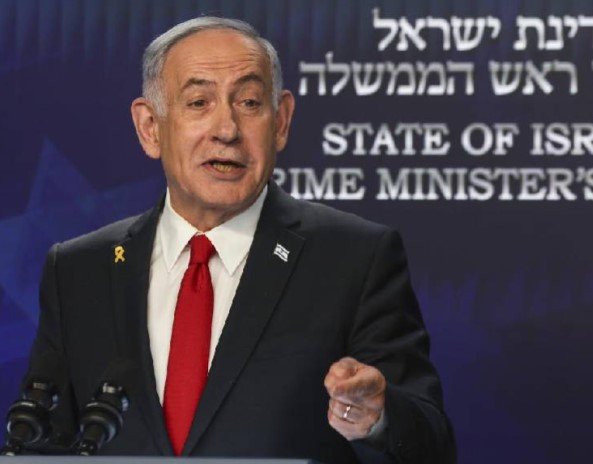
Israeli Prime Minister Benjamin Netanyahu has responded to remarks attributed to U.S. President Donald Trump in which Trump suggested that “Israel does as I say,” saying that the two leaders “sometimes don’t see eye to eye” but maintain a strong working relationship. The exchange has drawn attention amid ongoing discussions about U.S.–Israel coordination on security and regional policy in the Middle East.
Netanyahu’s comments were framed as an effort to downplay any perception of friction between Washington and Jerusalem, emphasizing that differences of opinion are a normal part of diplomacy between close allies. He reiterated that the U.S.–Israel partnership remains rooted in shared strategic interests, particularly on security challenges in the region, including Iran and broader regional stability.
Trump’s reported remark, which circulated widely in political media, sparked debate over the nature of influence and decision-making within the long-standing alliance. While supporters of both leaders pointed to their historically close cooperation on defence and foreign policy, critics suggested the comment raised questions about diplomatic tone and mutual respect between sovereign partners.
Israeli officials, however, stressed that coordination between the two countries continues across military, intelligence and diplomatic channels, regardless of public rhetoric. Analysts note that occasional public disagreements or contrasting messaging are not unusual in high-level international relationships, especially on sensitive security issues.
The episode comes at a time of heightened geopolitical tension in the Middle East, where U.S. involvement and Israeli policy decisions remain closely intertwined. Despite the verbal back-and-forth, both sides have indicated that operational cooperation remains intact, with no signs of disruption to ongoing strategic coordination.
Observers say the incident is unlikely to materially affect bilateral ties but highlights the importance of managing public messaging in politically sensitive alliances.