
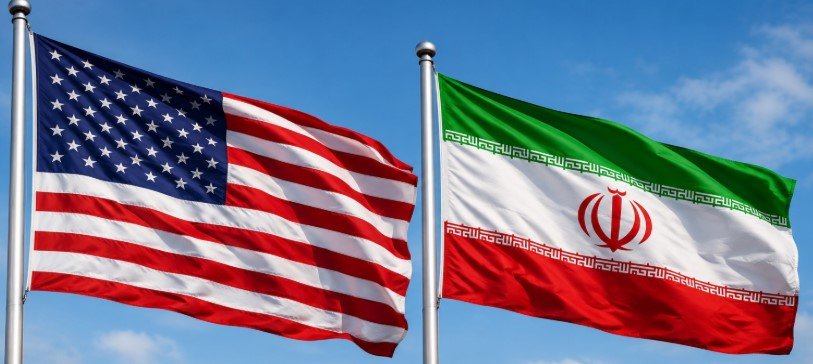
High-stakes talks between the United States and Iran are expected to resume as early as next week in Islamabad to formalize a 14-point memorandum of understanding (MoU) on ending the ongoing conflict in West Asia. The two countries are using Pakistani mediators to try to set up a month-long framework for de-escalation after weeks of a “dual blockade” that has crippled global energy markets. The draft proposal is expected to address the major flashpoints of Iran’s nuclear program, the staged reopening of the Strait of Hormuz and the possible transfer of enriched uranium stockpiles to a third country. President Donald Trump was cautiously optimistic on Friday, saying he expected a response from Tehran “supposedly tonight,” but major hurdles remain on the extent of sanctions relief and the unfreezing of Iranian assets.
The diplomatic push in Pakistan is a key effort to bring stability to a region that has been stuck in a stalemate since the intense military exchanges of February 2026. The fragility of the peace process, even with a technical ceasefire in place, has been highlighted by recent naval skirmishes, such as the disabling of two Iranian tankers and retaliatory strikes on U.S. destroyers. The world’s main worry is the security of the Strait, as the current blockade has reduced shipping to just 5% of pre-war levels, while oil prices are hovering near record highs. If the Islamabad talks produce a signed MoU, then a formal 30-day window for negotiations will be triggered, providing a vital “circuit breaker” to prevent the regional crisis from escalating back into all-out war.