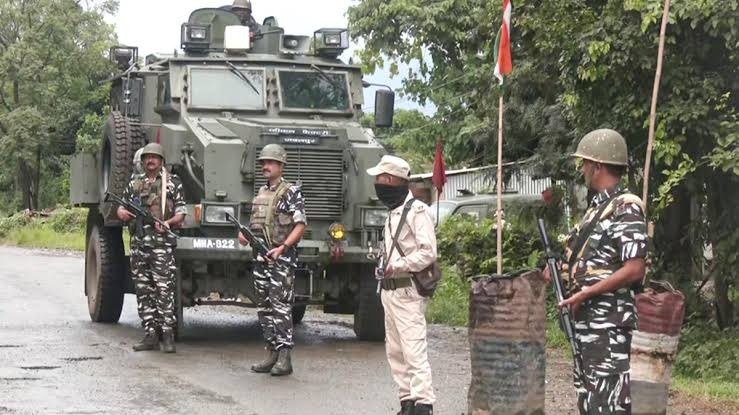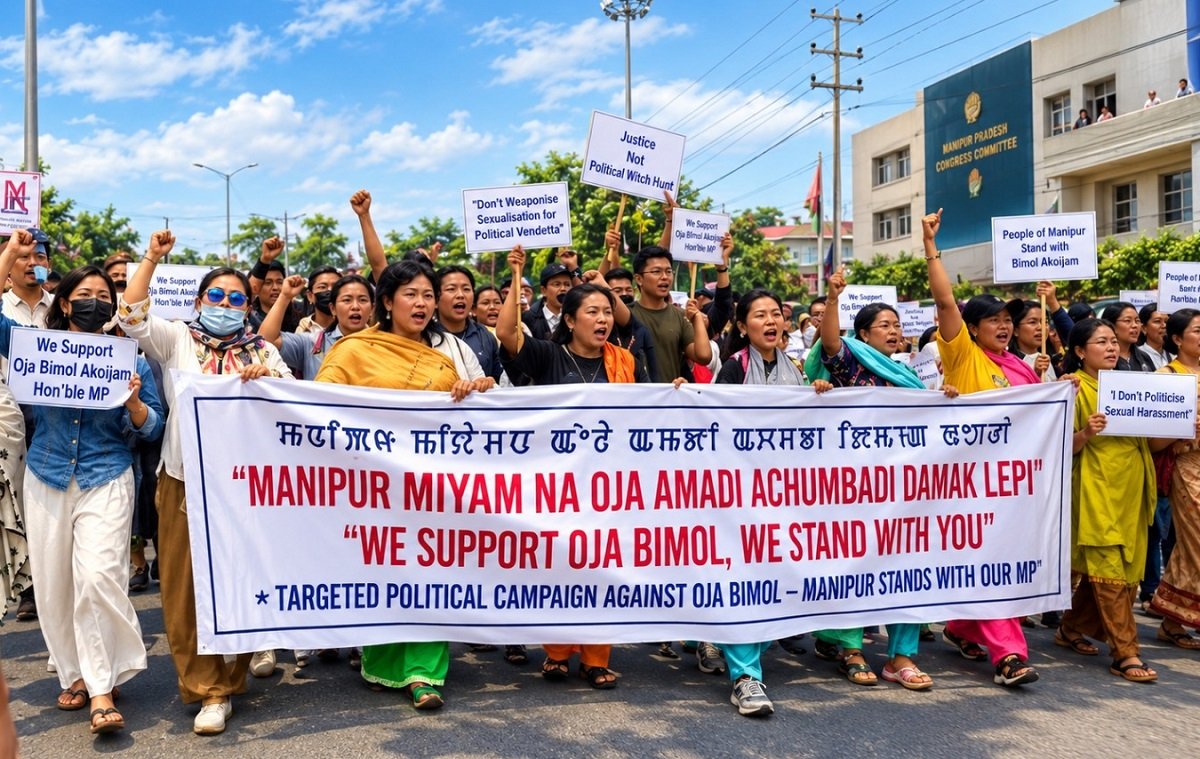

The Ministry of Home Affairs has officially announced a six-month extension of the Armed Forces (Special Powers) Act across designated volatile regions in Manipur, Nagaland, and Arunachal Pradesh, taking effect from October 1 following a comprehensive security review. While this latest directive maintains the “disturbed area” status under Section 3 of the statute—granting security forces enhanced legal authorities for searches, arrests, and operations—it simultaneously aligns with a broader, progressive reduction of the law’s overall footprint across the northeastern region as part of a central strategy to scale down its application. The geographical scope of the extended mandate includes select jurisdictions, covering specific police station areas across Manipur while excluding several central valley districts, nine complete districts and selective police jurisdictions in Nagaland, and the entirety of Tirap, Changlang, and Longding districts alongside border areas in Arunachal Pradesh. Although the controversial law has been entirely repealed in states like Mizoram, Meghalaya, and Tripura, and scaled back in Assam, its retention in these remaining sensitive zones continues to face sharp pushback from local civil society organizations. Groups such as the Manipuri Students’ Federation, the All Manipur United Clubs Organisation, and various Meira Paibi women’s collectives frequently stage mass demonstrations demanding a total repeal of the legislation due to historical grievances over the broad legal immunity it grants to military personnel. Meanwhile, federal authorities maintain that these targeted extensions remain necessary for counter-insurgency operations and border security until complete stability is established, even as government leaders express long-term intentions to phase out the legislation from remaining pockets across the Northeast.
Ministry of Home Affairs Balances Progressive Regional Rollback With Targeted Security Extensions Under Section 3