
Apollo TeleHealth, in partnership with the Government of Manipur, has demonstrated the role of digitally enabled primary healthcare in improving maternal care in remote areas by detecting and treating syphilis in a 25-year-old pregnant woman during a routine antenatal check-up.
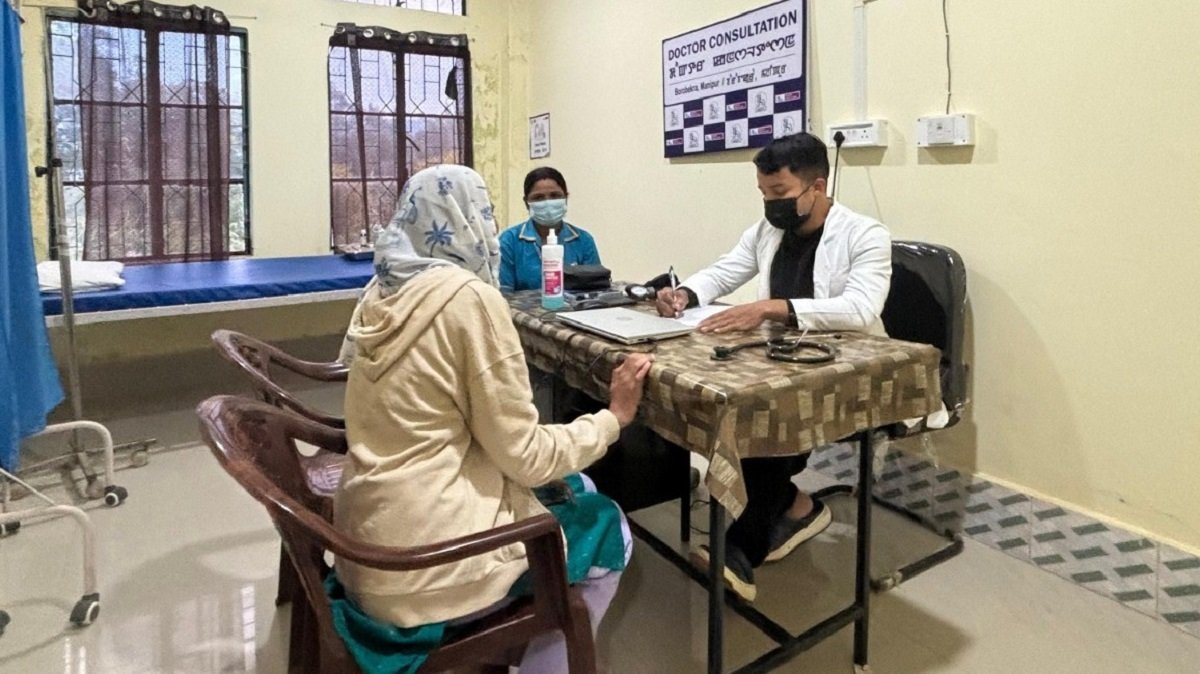
The woman, from Miran village in Manipur, visited an Apollo TeleHealth-supported Primary Health Centre for a routine pregnancy examination. As part of standard antenatal screening, a blood test detected syphilis, a bacterial sexually transmitted infection that can be transmitted from an untreated mother to her unborn child.
Congenital syphilis can lead to serious complications, including miscarriage, stillbirth, premature birth, newborn death and long-term physical and developmental disabilities.
Following the detection, the patient’s laboratory report was validated through Apollo TeleHealth’s digital quality assurance system. She was counselled, referred for confirmatory testing and promptly started on treatment. She has received the first of the recommended weekly Benzathine Penicillin injections.
Her husband was also screened and tested positive for syphilis. He was subsequently started on treatment to prevent reinfection.
As the woman could not recall the exact date of her last menstrual period, doctors advised an obstetric ultrasound to determine the gestational age and expected date of delivery. She continues to receive follow-up care at the e-PHC, with repeat serological testing planned after treatment to assess her response.
Apollo TeleHealth CEO Dr Vikram Thaploo said timely screening, accurate diagnosis and continuity of care are essential to preventing complications during pregnancy, irrespective of where a woman lives.
He said the case demonstrated how digital primary healthcare can bridge gaps in maternal care by connecting remote communities with quality diagnostics, clinical expertise and coordinated follow-up.
Dr M. Dinesh Singh, MD, National Health Mission, Manipur, said every antenatal visit provides an opportunity to identify health conditions that might otherwise remain undetected until they cause serious consequences for mothers and children.
He emphasised the importance of universal antenatal screening, timely diagnosis, partner management and uninterrupted follow-up in ensuring quality maternal healthcare.
According to Apollo TeleHealth, its digitally enabled Primary Health Centre programme, launched in partnership with the Manipur government, has so far served more than 6,000 patients, facilitated over 10,000 teleconsultations, conducted more than 6,000 diagnostic investigations and supported over 1,500 antenatal care visits.
Women account for 56 per cent of the beneficiaries, while men constitute 44 per cent. The highest number of patients has been recorded from Borobekra, followed by Henglep, Senvon and Thanlon.
Apollo TeleHealth currently operates digitally enabled Primary Health Centres at Borobekra in Jiribam, Henglep, Senvon and Thanlon in partnership with the Government of Manipur.
The centres are staffed by MBBS doctors, nurses, pharmacists and laboratory technicians and are supported through teleconsultations by specialists in obstetrics and gynaecology, internal medicine, paediatrics, cardiology, orthopaedics, dermatology, psychiatry and other disciplines.
The facilities provide outpatient services, diagnostic tests, maternal and child healthcare, treatment for communicable and non-communicable diseases, pharmacy support, preventive healthcare and emergency referrals.