
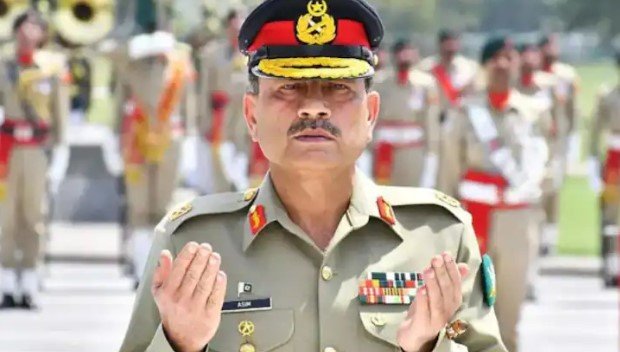
Pakistan’s Army Chief, Field Marshal Asim Munir, has taken center stage in global diplomacy as he leads a critical mission to Tehran to salvage peace talks between the United States and Iran. Following the expiration of the first round of negotiations in Islamabad, Munir arrived in the Iranian capital on Wednesday, April 15, 2026, acting as a direct conduit for messages from the Trump administration. His visit is seen as a “last-ditch” effort to prevent the collapse of a fragile 10-day ceasefire and to organize a second, more definitive round of talks aimed at ending the seven-week regional conflict that began in February 2026.
Regarded as a unique intermediary, Munir has built significant rapport with both sides; President Donald Trump has reportedly referred to him as his “favorite field marshal,” while his previous tenure as head of military intelligence has provided him with established links to Iran’s Revolutionary Guard leadership. Dressed in full fatigues, Munir’s presence in Tehran underscores the “Rawalpindi-driven” nature of this mediation, which prioritizes security guarantees and military-to-military trust. While fundamental disagreements persist over Iran’s nuclear enrichment and the U.S. naval blockade of the Strait of Hormuz, Munir’s shuttle diplomacy has secured an “in-principle” understanding to keep dialogue open.
The stakes could not be higher as the current truce nears its expiration next Tuesday. While the White House remains cautious about a formal extension, the potential for a breakthrough in Islamabad appears increasingly likely under Pakistan’s stewardship. As global markets fluctuate on every update from these backchannel discussions, Munir’s ability to bridge the gap between Washington’s “maximum pressure” and Tehran’s “strategic patience” has positioned Pakistan as the indispensable broker in the most significant geopolitical crisis of 2026.