
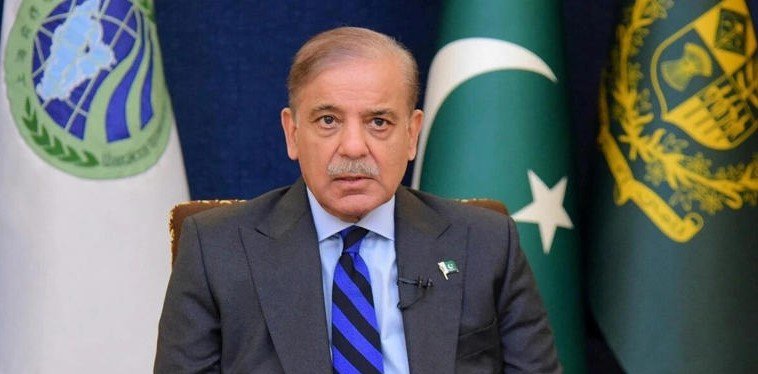
Pakistan is navigating a high-stakes financial tightrope this April as it moves to repay a $3.5 billion debt to the United Arab Emirates (UAE) following Abu Dhabi’s unexpected decision to end long-standing rollover arrangements. Finance Minister Muhammad Aurangzeb, speaking from the sidelines of the IMF and World Bank spring meetings , confirmed that “all options are on the table” to plug the looming hole in the country’s foreign exchange reserves. This includes the potential issuance of the nation’s first-ever “Panda bonds” in the Chinese market, new Eurobond offerings, and emergency bilateral assistance from Saudi Arabia and Qatar. The UAE’s shift toward short-term, month-to-month extensions—and its ultimate demand for a full settlement by the end of this month—has placed unprecedented pressure on Islamabad, which had historically relied on these deposits as a stable cushion for its balance of payments.
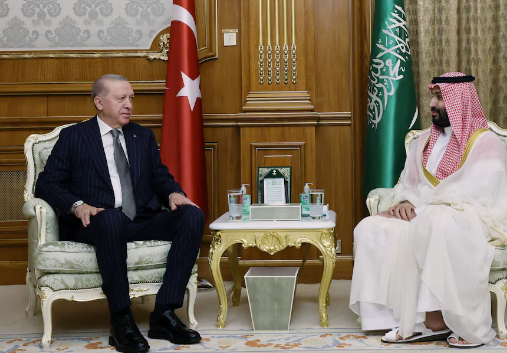
The urgency of the repayment is compounded by a volatile regional landscape. Analysts suggest the UAE’s hardening stance may be influenced by the ongoing U.S.-Iran maritime standoff and broader Middle Eastern instability, which has increased financial sensitivity across the Gulf. Repaying the $3.5 billion in full is expected to deplete Pakistan’s central bank reserves by nearly 20%, reducing its import cover to precarious levels just as it seeks the next $1.3 billion tranche from the IMF. To bridge this gap, Islamabad is in advanced talks with Riyadh and Doha for a combined $5 billion “lifeline” to offset the UAE outflow and maintain macroeconomic stability.
Despite the strain, government officials maintain that the decision to settle the debt is a matter of “national dignity” intended to end the cycle of monthly uncertainty. However, the move has triggered a frantic search for commercial and multilateral financing to prevent a liquidity crisis. While the IMF board is expected to approve further funding by early May, the immediate task for the Sharif administration remains securing the necessary dollar inflows to prevent a currency devaluation. As the April 17th deadline for a significant portion of the loan approaches, Pakistan’s economic future hinges on whether its strategic partners in Beijing and Riyadh will step in to replace the Emirati capital.