
Fresh tensions have resurfaced in conflict-hit areas of Manipur after the Kuki CSO Working Committee (WCKCSOs)-Ukhrul issued a strongly worded statement accusing both the Government of Manipur and the Government of India of failing to protect Kuki-Zo civilians in Ukhrul and Kamjong districts. In two separate statements, the organisation alleged continued administrative neglect, repeated security failures, and coordinated armed attacks targeting Kuki villages in the region.
According to the statement issued by the WCKCSOs-Ukhrul, the organisation expressed “strongest exception” to what it described as persistent and systemic failures by the authorities to address the grievances and existential concerns of the Kuki-Zo population. The committee alleged that despite repeated appeals and representations, the governments had failed to operationalise the March 19 Memorandum of Understanding (MoU), ensure adequate civilian security arrangements, or establish any viable alternative administrative mechanism for affected communities.
The organisation further claimed that the situation has led to prolonged insecurity, administrative paralysis, and institutional neglect across Kuki-dominated areas of Ukhrul and Kamjong districts. The statement also alleged that repeated attacks by armed groups had intensified fear and uncertainty among local residents.
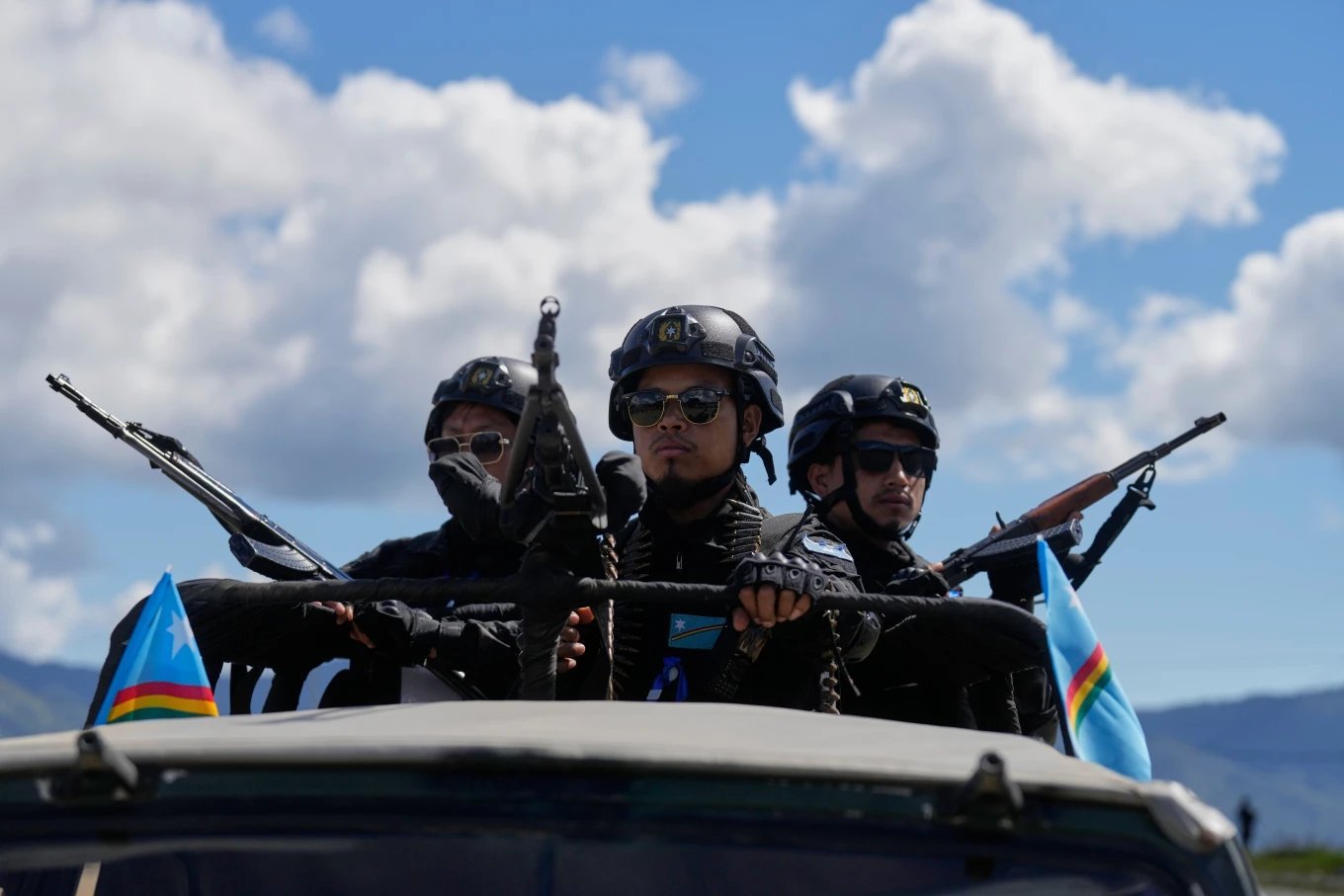
Referring to incidents reported on May 22, the committee claimed that Mongkot Chepu village came under repeated firing from the direction of Sikibung at multiple times throughout the day, including early morning and evening hours. Another alleged attack was reported from the direction of TM Kasom/Roudei targeting Patleijang village later the same night. The organisation blamed the NSCN(IF) for the attacks and accused authorities of failing to prevent recurring hostilities.
In response, the WCKCSOs-Ukhrul announced a series of directives with immediate effect. The Kuki Chiefs Association (KCA) was instructed to begin collecting hill house tax from Kuki villages in Ukhrul and Kamjong districts and to coordinate formal remittance of the tax to authorities in Kangpokpi district. Simultaneously, the Kuki Students’ Organisation (KSO)-Ukhrul was directed to intensify peaceful democratic agitations and install signboards identifying Kuki villages in Ukhrul and Kamjong as falling under Kangpokpi district before June 1.
The organisation stated that these measures had become necessary because of what it described as continued governmental apathy and repeated security failures. It warned that the concerned authorities would bear responsibility for any further deterioration in the situation if immediate action was not taken.
In another statement issued on May 24, the WCKCSOs-Ukhrul condemned what it called a “coordinated armed aggression” on Mongkot Chepu village. The organisation alleged that indiscriminate firing was carried out from multiple directions, including areas near Litan Police Station and Lilen Ridge of Sikibung village. It claimed the attacks were premeditated and aimed at intimidating and uprooting the Kuki-Zo population from parts of Ukhrul district.
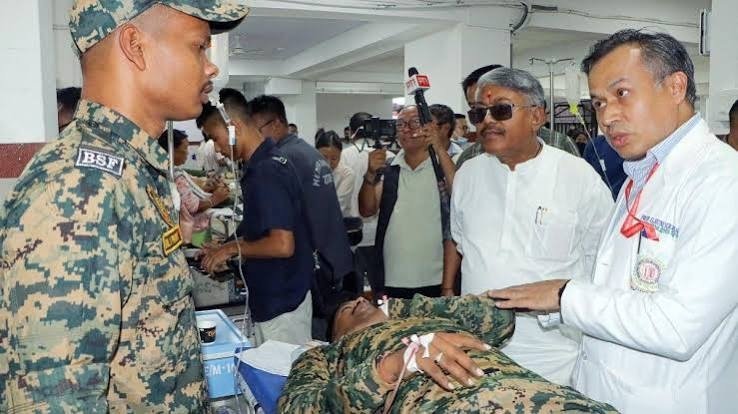
The committee also alleged that earlier the same day, churchgoers returning from worship came under intermittent firing near Lilen Ridge. One villager, identified as Ngamkhohen Khongsai, reportedly sustained injuries to his palm after being struck by a bullet. The targeting of unarmed civilians and worshippers was described by the organisation as deeply alarming.
At the same time, the WCKCSOs-Ukhrul acknowledged the intervention of the 8 Bihar Regiment, stating that the security forces responded promptly and helped deter further escalation. However, the committee argued that the deployment of forces alone was insufficient without stronger operational mandates and decisive preventive action against armed groups.
The organisation reiterated that the Kuki-Zo community could not be blamed for acts undertaken in self-defence, claiming that the protection of life and property remained both a constitutional and natural right in the face of repeated attacks and inadequate security arrangements.
The latest developments have once again highlighted the fragile security situation prevailing in parts of Manipur, where ethnic tensions and recurring violence continue to disrupt normal life. The statements issued by the Kuki CSO Working Committee are expected to intensify political debate and place additional pressure on both the state and central governments to address the worsening ground situation in the hill districts.