

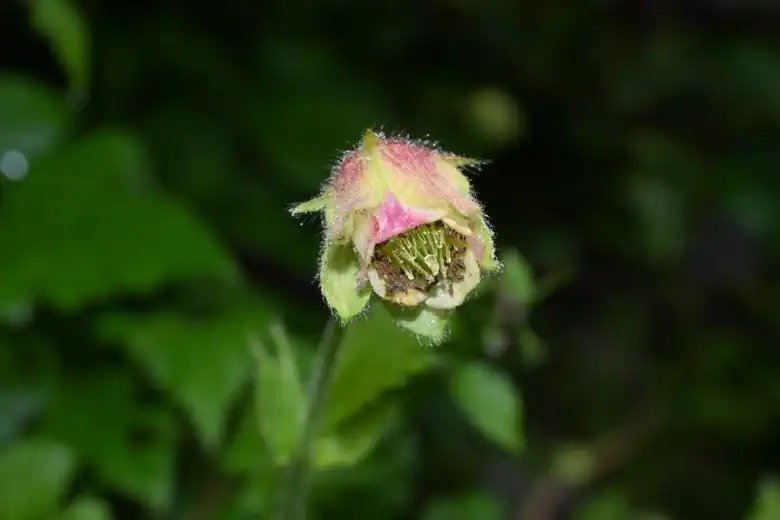
Scientists have rediscovered a rare flowering plant in Arunachal Pradesh that had not been officially recorded in India for more than a century, marking a major breakthrough in Himalayan botanical research. The species, Geum macrocephalus, a little-known member of the rose family endemic to the Eastern Himalaya, was rediscovered in the Se La region between Tawang and West Kameng districts during a botanical survey conducted by researchers from the Botanical Survey of India (BSI).
The findings have now been published in the international scientific journal Phytotaxa.
Researchers said the plant was last reliably collected in India in 1905 from Sikkim, with only a few historical records from the region. The latest discovery confirms the species’ continued survival in India after nearly 120 years.
The rediscovery took place during a field study conducted under a research programme examining the impact of climate change on alpine and subalpine vegetation in western Arunachal Pradesh.
The research team, comprising botanists Subhajit Lahiri, Monalisa Das and Sudhansu Sekhar Dash, found the plant near Se La Pass in West Kameng district at an altitude of around 4,200 metres.
After detailed examination of herbarium records, botanical literature and type specimens, the collected samples were confirmed as Geum macrosepalum.
The species was found growing in alpine meadows and marshy high-altitude terrain, one of the harshest and least explored ecosystems in the Indian Himalaya.
Described as a perennial herb with pale yellow to ivory-yellow flowers tinged with red, the plant produces delicate drooping blooms emerging from dense alpine vegetation in the mist-covered landscapes around Se La Pass.
Despite the rediscovery, scientists warned that the species remains highly vulnerable.
Using International Union for Conservation of Nature (IUCN) assessment criteria, researchers classified Geum macrosepalum as “Vulnerable” in India because of its restricted distribution and increasing habitat pressure from developmental activities in fragile mountain ecosystems.
“The rediscovery of Geum macrosepalum emphasises the necessity to enhance floristic research in underexplored regions of the alpine zones of the Eastern Himalaya in India,” the researchers wrote in the study, while also stressing the urgent need for habitat conservation.
Often regarded as one of the world’s richest biodiversity hotspots, the Eastern Himalaya continues to reveal important discoveries from its remote mountain landscapes.
Scientists say rediscoveries like this are not only significant scientific milestones but also reminders of how fragile and poorly understood these ecosystems remain in the face of climate change and habitat disturbance.